

Human Rights Council
overview
The United Nations Human Rights Council exists to set standards for human rights globally and to stop the perpetuation of human rights abuses by other countries. It is a unique body of the UN, having been established as recently as 2006 at the behest of General Assembly Res. 60/251. It replaced the UN Commission on Human Rights that existed between 1946-2006, which had lost its legitimacy due to perceived over-politicization and various controversies. The council was created as a ‘subsidiary’ body of the united nations, and has remained so since GA Res. 65/281 established in 2011 that the GA would review its status at a time no later than 2026.
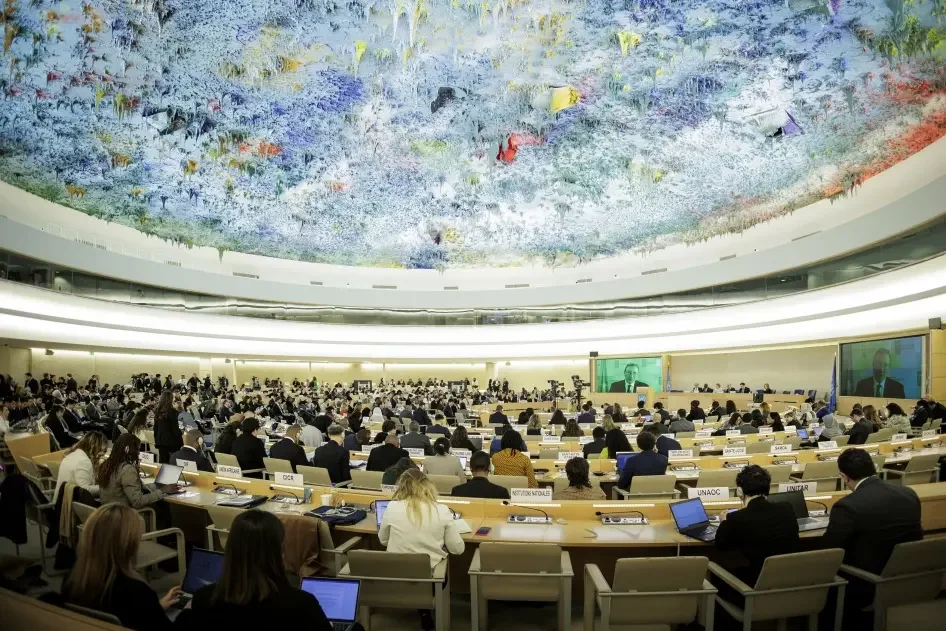
The HRC meets during three scheduled meetings every year, although it may trigger an emergency meeting at nearly any time if 1/3rd of council members were to request it. Each of the scheduled meetings are meant to serve as forums for council members to discuss country-specific human rights issues that are prevalent to the international community. Through each of these meetings, resolutions are crafted through a programme of work that has been specifically formatted and changed since the council’s inception to prioritize fast and effective debate.
What follows is a brief summary of some of the special mechanisms of the HRC. The chairs may choose to add these, or other aspects to the HRC as unique parts of the committee that depart from standard GA rules. Barring this possibility, these aspects of the council play an integral role in the HRC’s functioning, and should be included in the research background of the committee’s issue book.
Advisory Committee
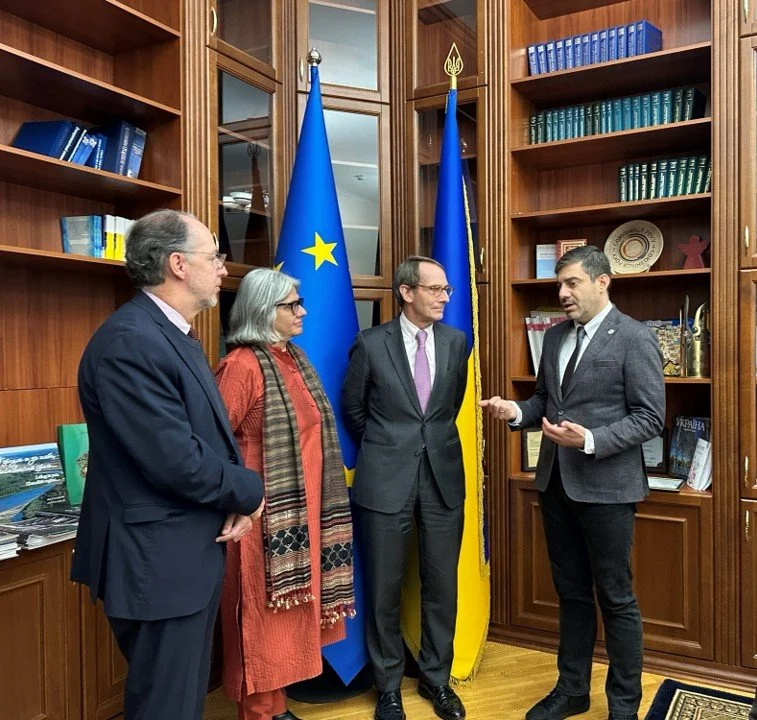
Composed of 18 experts, the advisory committee is a think-tank for the HRC, and often guides the direction of the council based on its findings. It meets two times a year, one week in February and one week in August in lead-up to the March session of the HRC. The committee takes both requests and makes requests for research proposals, and has no decision making power.
Complaint Procedure
The complaint procedure is an attempt to create an impartial method for victims of human rights abuses to bring information about violations of their rights into the focus of the council. Any individual or group, regardless of background, can submit a complaint. While the procedure is confidential, the complainant must provide their identity to the council- although this information may be kept confidential from council member states per the request of the complainant.
After submission of a complaint, it may go through four initial stages- Initial Screening, Consideration by the Working Group on Communications, Consideration by the Working Group on Situations, and Consideration by the Human rights council. Approximately 15,000 complaints are provided to the HRC annually, and there have been some measurable successes achieved by this process.
The Special Procedures
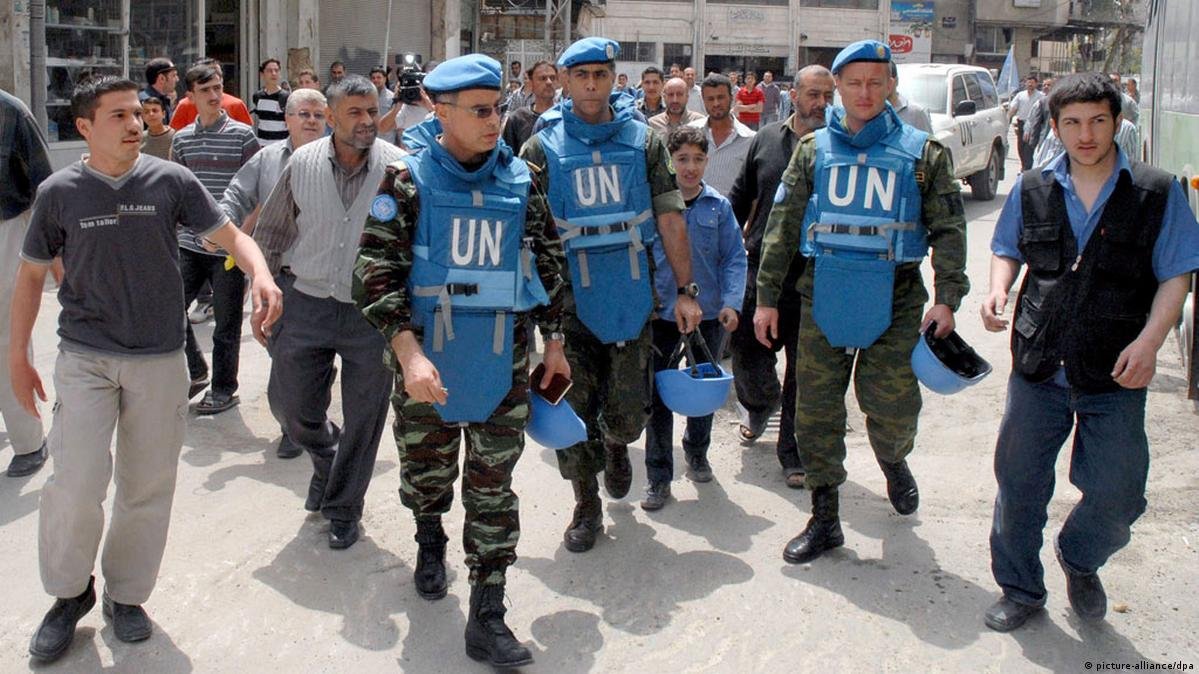
The Special Procedures of the HRC are independent experts on human rights who have specific mandates that are assigned by the council. Each expert reports on the human rights situation of various countries from a country-specific or theme-based perspective. The HRC has highlighted the importance of the Special Procedures role in enforcing council mandates following a 2011 internal review and through HRC Res. 16/21.
The individuals that comprise the special procedures are referred to as ‘Independent Experts’ or ‘Special Rapporteurs’ or may be a working group with one member from each of the five regional groupings. Their independence is meant to ensure that they can reliably fulfill their mandates without concerns of interference from the council.
TOPIC 1: ADDRESSING THE HUMAN RIGHTS OF IRREGULAR MIGRANTS
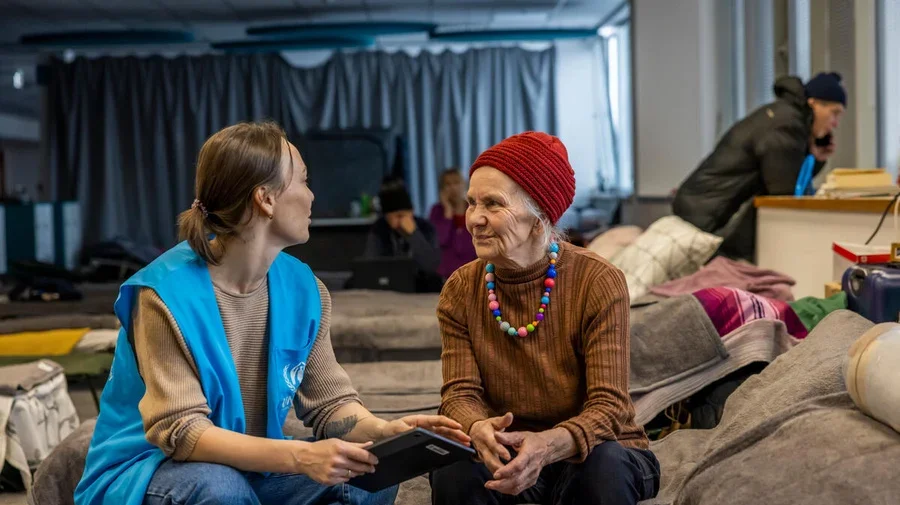
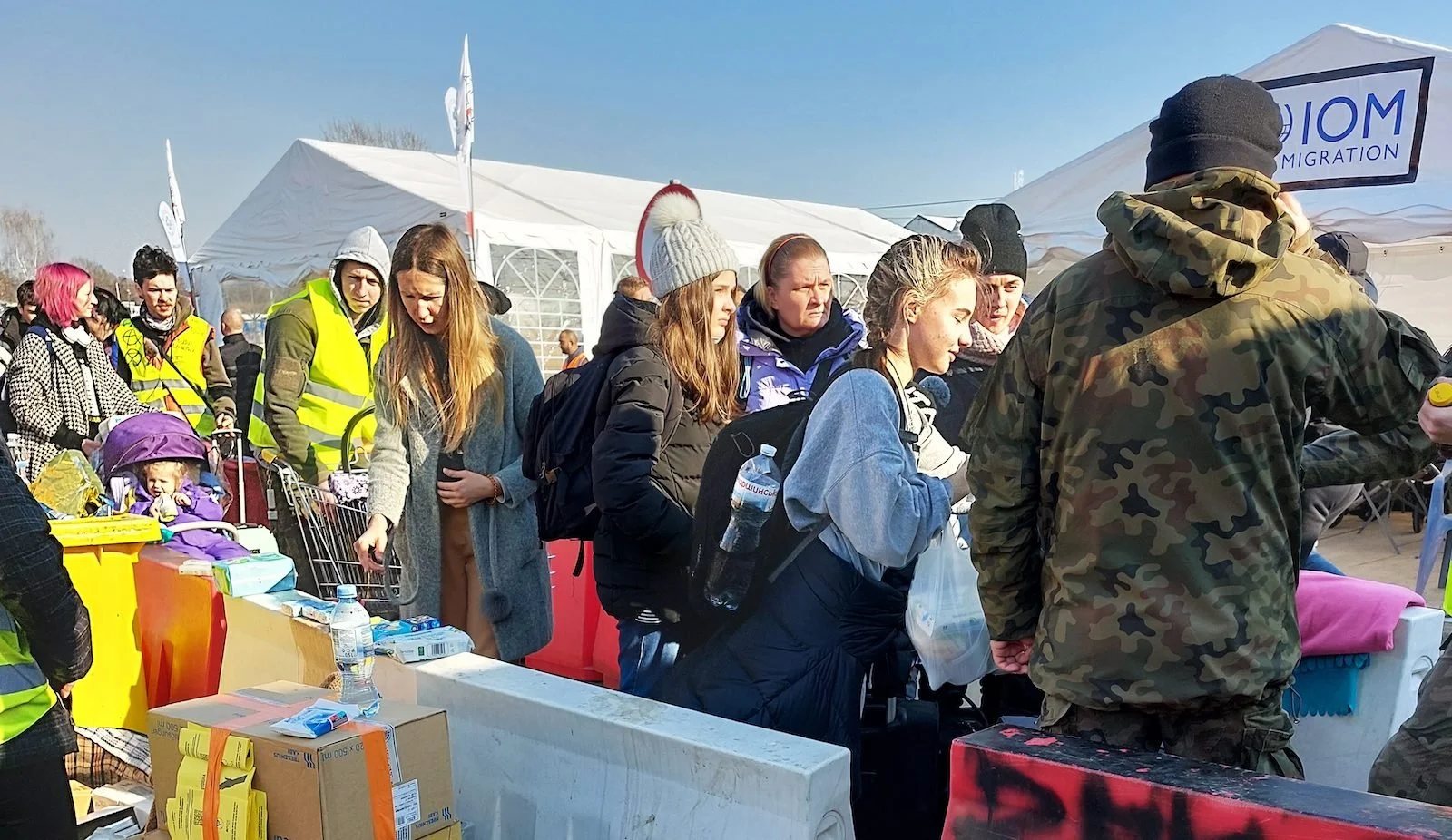
‘Irregular migrants’ have no set definition, but are often accounted for as those who exist outside of the nationally-funded legal or social services that are meant to assist migrants in normal circumstances. Often, this includes those who have illegally migrated to a nation or who have had their residency status change since their arrival in a nation.
The use of arbitrary detention procedures against irregular migrants has often denied such individuals access to basic services they are guaranteed under international law. From the view of the HRC, all migrants on the sovereign territory of a nation, regardless of status, deserve recognition of their fundamental human rights and access to basic services. While the necessity of meeting these service requirements can be seen as an excessive financial burden for the host country, it is not the case that social services are simply being given to these groups for free. In fact, the HRC’s stance is that migrants must simply be given equal rights to access their benefits, and the cost of these programs does not need to be very high. This is mandated by, among other measures, by the 2030 Agenda for Sustainable Development, which requires that migrants have access to basic services, health, education, decent work, and proper representation in a nation’s justice system.
TOPIC 2: ENSURING ACCESS TO JUDICIAL REPRIEVE
The issue of ensuring proper legal representation of all parties in issues of political, economic, or military conflict is a pressing concern of the HRC. The term ‘judicial reprieve’ is defined as the temporary delay of the punishment or sentencing of an individual or group in order to avoid a miscarriage of justice. Situations where individuals can be denied judicial reprieve may come from the inadvertent or intended effects of counterterrorism operations, and international sanctions, among other policy measures.
Commissions of Inquiries and Fact-Finding Missions
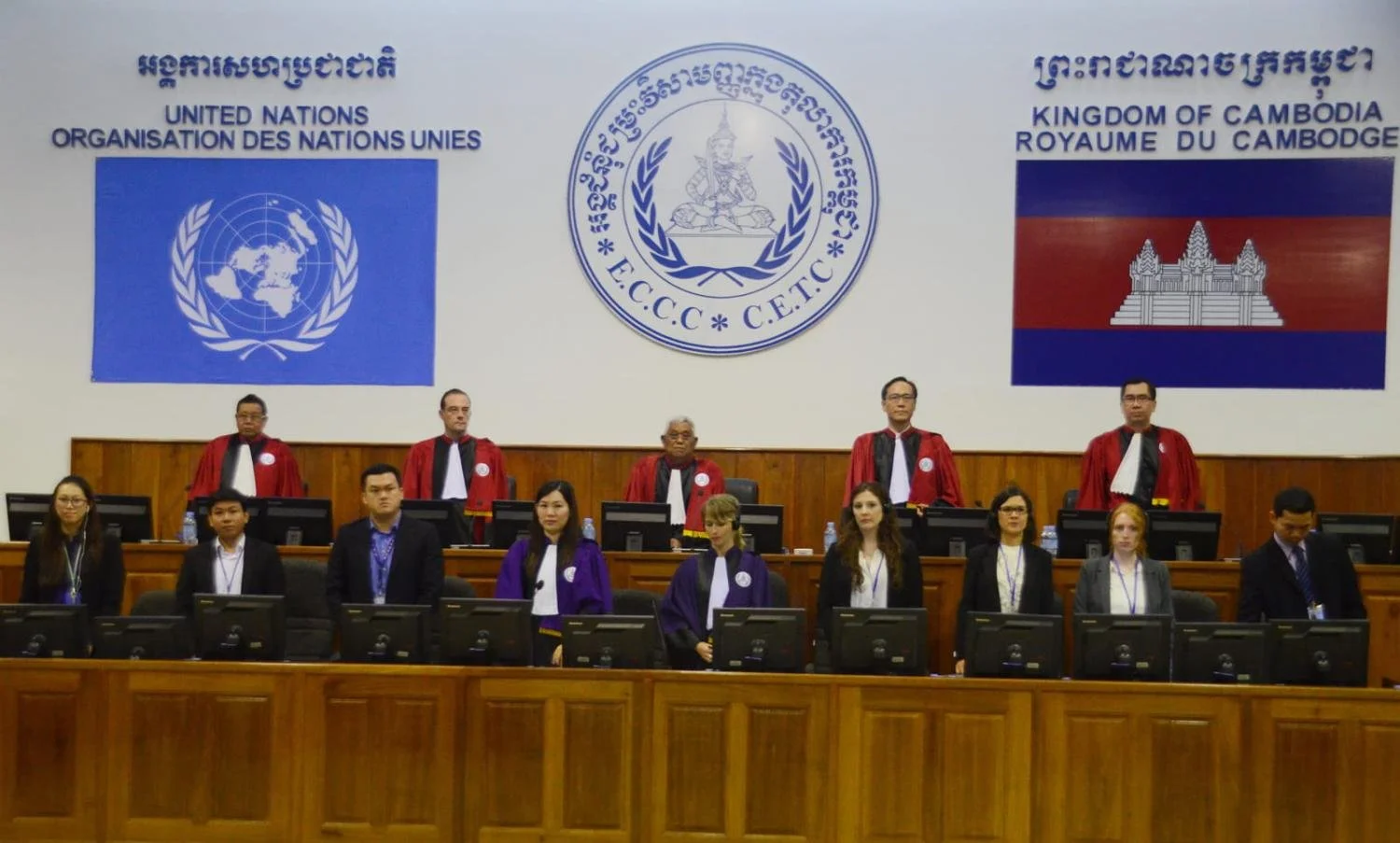
Investigative bodies are mechanisms used by the Security Council, the GA, and other committees. The HRC seeks to serve a similar function in mandating their creation as is seen in these committees. They are loosely defined as bodies that have a mandate to investigate a certain issue, and are a significant tool used by the council to enforce human rights norms.
Inquiries or Missions can take different forms, and can be thematic or country-specific.5 The purpose of these bodies is not only to counter rights violations, but also to find the perpetrators and hold them accountable. There has been difficulty in enforcing the findings of inquiries in the past under a framework of international criminal law. Many critics and think tanks believe that such bodies ought to focus on enforcing political accountability or in spreading facts about the discovered violations as an alternative strategy to holding perpetrators accountable.
A link to all the investigative mandates by the UN HRC can be found here. Countries visited include the DRC, Iran, Israel, Ukraine, and South Sudan.
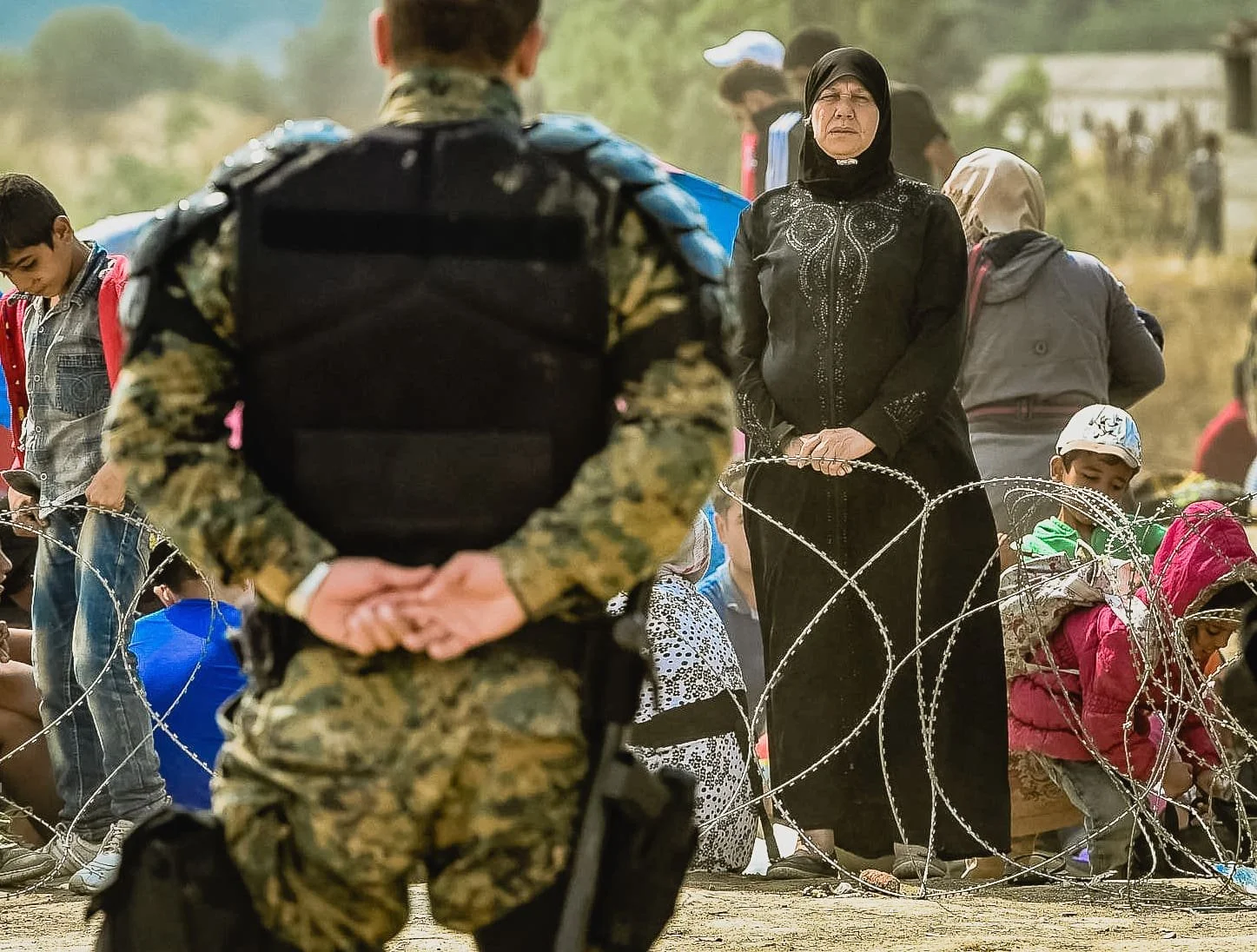
Determining what forms of services or the representation that migrants ought to be entitled to regardless of their status will be an important subject of debate during the conference. Delegates ought to be encouraged to consider the financial, social, and humanitarian implications of providing or denying different services to migrants and how these policy measures align with their own country’s position on the issue.
Further HRC consensus on this issue includes the statements that ‘immigration enforcement ought to be separated from the enjoyment of the human rights of migrants’ and that ‘the use of detention as a migration management tool ought to be ended.’ These are topics that the chairs may delve into further detail through their issue books and during the conference. The use of social services as a tool to lure irregular migrants into situations which may compromise their status is seen as a violation of their human rights. Furthermore, the detainment of children because of their parents immigration status can be seen as a violation of child rights, as determined by the UN committee on the rights of the child.
An EU study for the bloc’s committee on Civil Liberties, Justice, and Home Affairs (LIBE) succinctly states the issues that the bloc commonly faces with irregular migrants in 2022. The content of this study may be compared with the standards set by the UN HRC, while representing the broader views of the European community. Papers such as these can be utilized to guide discussion and research for your committee.
Taking the example of international sanctions, human rights can often be violated by unilateral sanctions, and the legal consequences of violating sanctions. HRC report A_79_183 in 2024 made the recommendations that states provide pro-bono legal assistance for those impacted by sanctions, and that states make use of international adjudication mechanisms such as the ICJ and WTO in order to settle the dispute. Their commentary did not extend to multilateral sanctions, but did widely concern itself with intergovernmental measures.
Generally, the chairs may choose to provide a list of examples of where judicial reprieve is commonly denied to international parties in order to stimulate discussion and research among delegates. This topic can have both a national and an international focus, with the example of unilateral sanctions being an international issue. That being said, the HRC must approach their work in a manner which is consistent with international law.
An example of an effective and well-written HRC issue book can be found from the NMUN 2025 conference, held in New York City. A link can be found here.
Delegates may also find it useful to review the Universal Declaration of Human Rights signed 1948, along with other relevant UN resolutions or policy.
Your chairs

HEAD CHAIR - Konstantin Rezvoi
CO CHAIR - Adam El-Rabaa